What is an LLM?

LLM - Large Language Model
ChatGPT is built on a Large Language Model or LLM as we will refer to it from now on. It is a type of artificial intelligence that specializes in understanding and generating human language.
Simply explained, the model is good at guessing what the next word should be.
How does an LLM work?
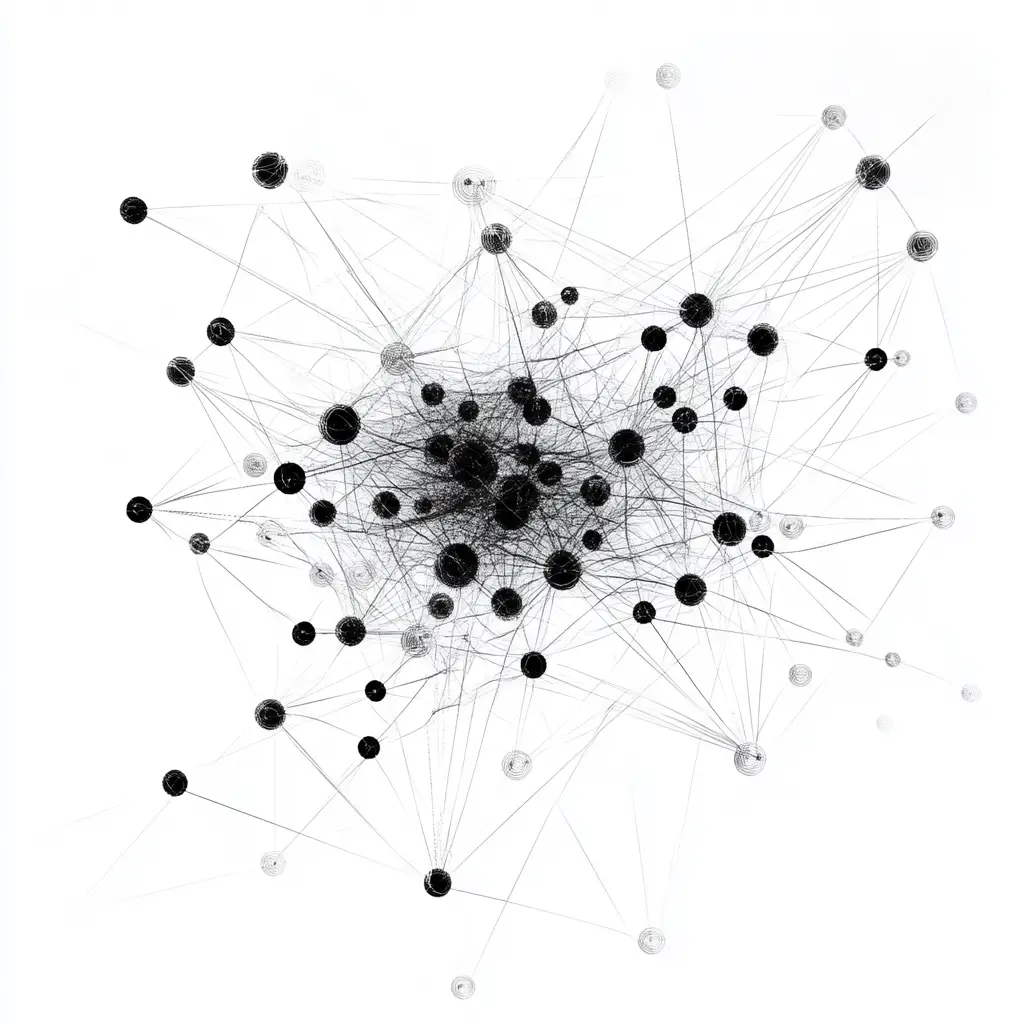
Here's a simplified explanation of how it works: LLMs are trained by reading an enormous amount of text (books, articles, websites, etc.). During this process, it learns language patterns, word usage, grammar, and even style and contrasts.
When ChatGPT receives a question or text to process, it analyzes not just the individual words, but also the context. This means it looks at the words' relationship to each other to understand the meaning in a sentence or text.
Based on the learned information and the specific question it received, the LLM generates a response. It does this by predicting which word or phrase is most likely to follow after the given words, based on its training and the prompt you entered.
In other words, you could say that ChatGPT is a very advanced version of the auto-suggestions on your mobile keyboard. But it lacks consciousness and real understanding, and its 'knowledge' is limited to the patterns and information it has been trained on.
Although LLMs don't learn in real-time from new data after their initial training, they can be updated with new data and training to improve and update their knowledge and capabilities.
ChatGPT's Limitations
An LLM lacks consciousness and real understanding — it computes probabilities, it doesn't actually "know" anything. Its knowledge can be out of date (every model has a cut-off date where its training data ends) and it can sometimes "hallucinate", meaning it answers incorrectly with great confidence.
The difference in 2026 is that most major models can now search the web in real time, reason step by step before answering, and handle images, audio and video — not just text. If you need fresh facts, you can simply ask the model to search, or use a tool like Perplexity.
How LLMs have evolved
Since this article was written, LLMs have taken several big leaps:
- Larger context windows: models can hold far more text in memory at once — entire documents, codebases, or long conversations.
- Reasoning models: a new generation "thinks" problems through step by step, giving better answers on math, code and logic.
- Multimodality: text, image, audio and video in the same model.
- Agents: LLMs are connected to tools and can carry out tasks, not just answer.
The underlying principle is still the same, though: the model predicts the next word — just with a lot more power behind it now.
Updated: 2026-07-01